
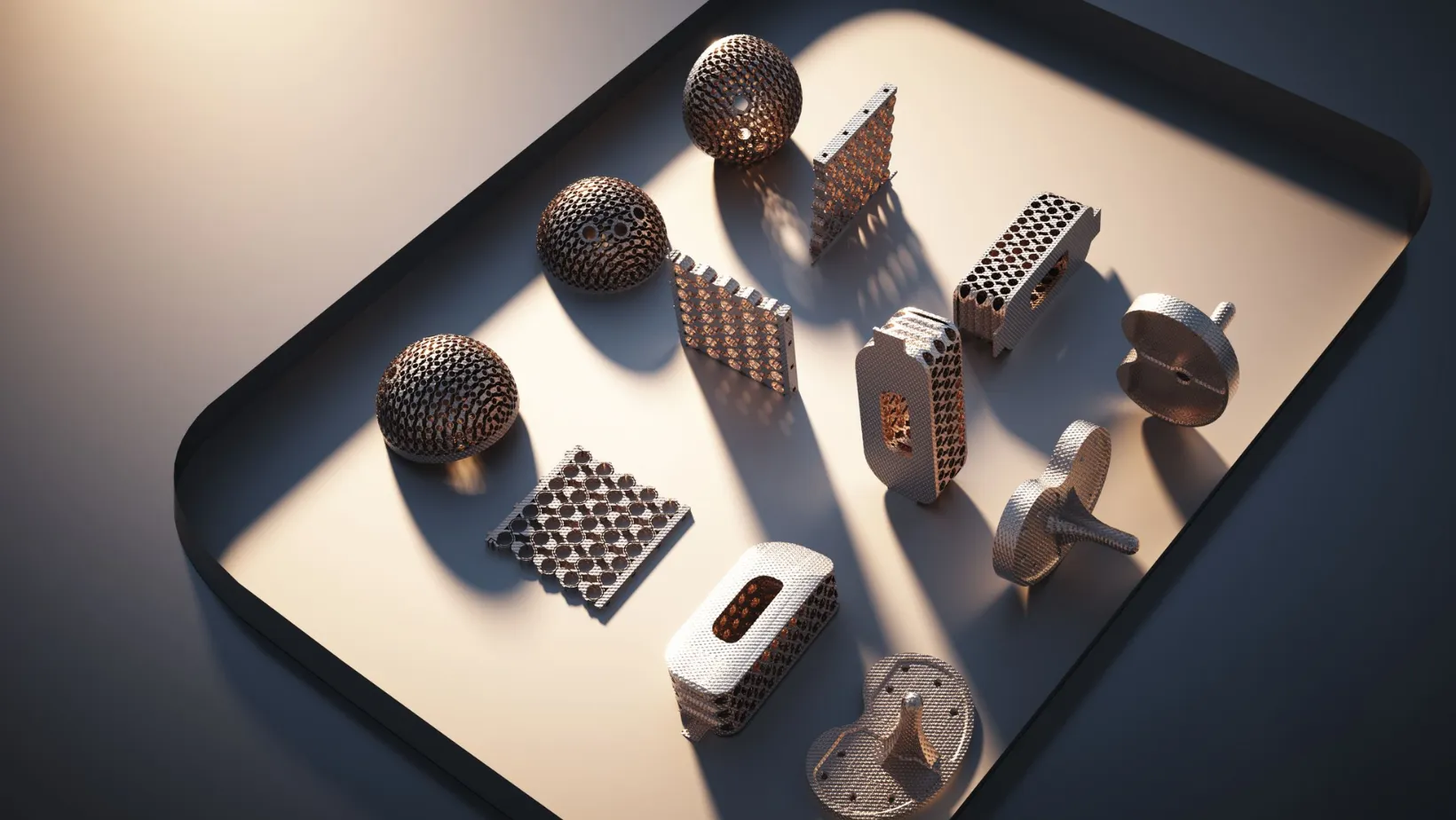
Implants that feel, heal, communicate.
Metamaterial fusion cages that tune load transfer, wirelessly monitor healing, and electrically stimulate fusion.
A meta-tribomaterial cage that wirelessly monitors healing and stimulates fusion.
Mechanical loadElectrical signalWireless readout and/or controlled stimulation
The implant uses a specially designed patented internal metamaterial architecture to turn normal spinal movement into electrical energy. This built-in power source enables wireless monitoring of implant loading and bone fusion while also delivering electrical stimulation to support healing. These functions are combined in one compact implant, with no external battery required.
- Self-powered
- Built-in triboelectric layers generate electrical charge from normal spinal movement, enabling self-powered monitoring and electrical stimulation without a battery.
- Active
- The implant enables wireless monitoring and controlled electrical stimulation without implanted batteries, antennas, chips, or telemetry electronics.
- Mechanically tunable
- The metamaterial lattice can be designed to tune stiffness, compliance, and load transfer for patient-specific spinal fusion needs.
- Personalized
- Patient-specific geometry, additively manufactured as a single integrated implant.
- Electrical stimulation
- Releases self-generated electrical charge to deliver controlled stimulation that supports bone growth and fusion.
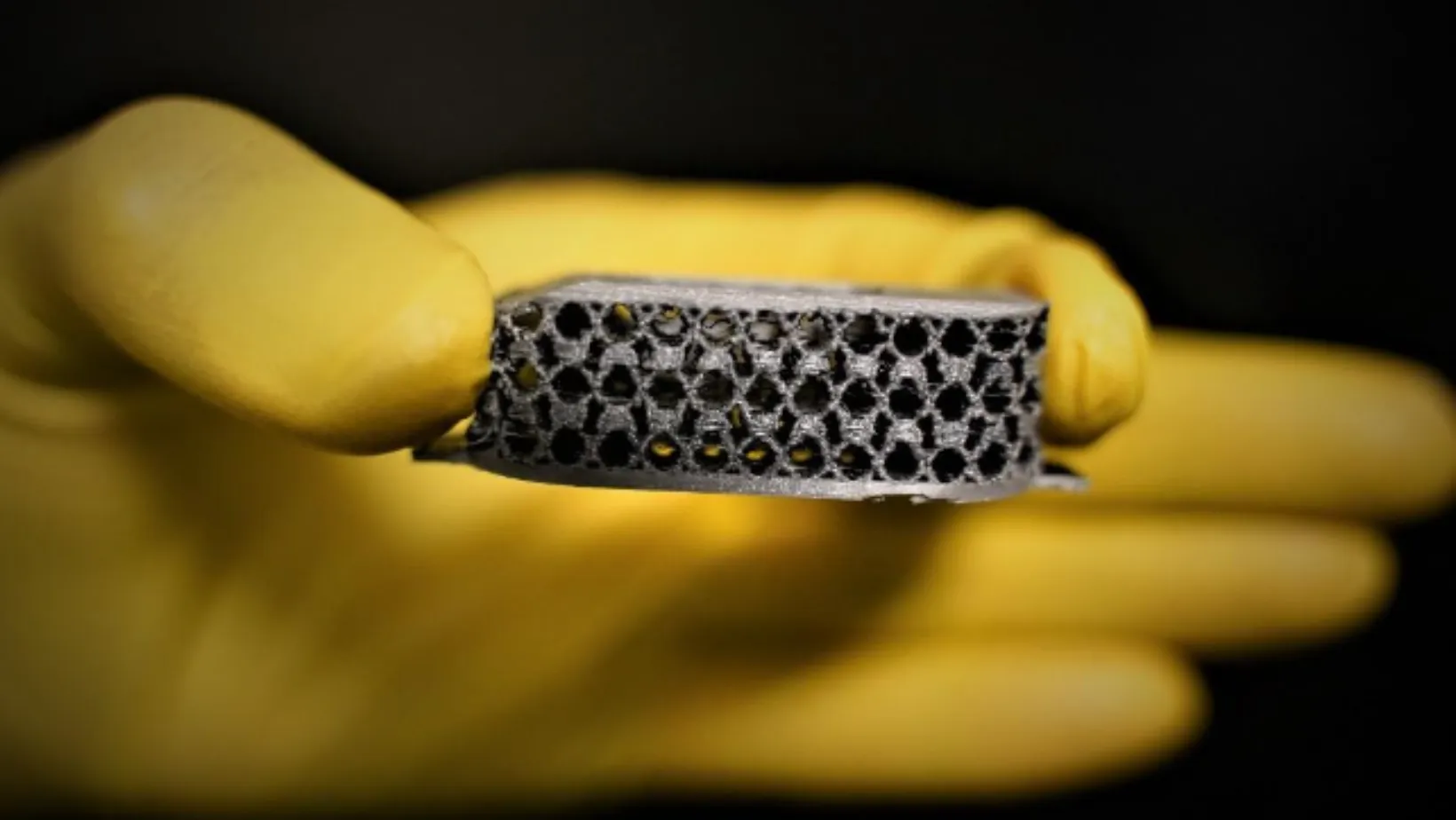
Evaluated across benchtop, tissue, cadaveric, and preclinical animal studies to assess wireless sensing, implant handling, and translational feasibility.
The platform, in motion.
A closer look at how the metamaterial cage sits in the spine, tunes load transfer, generates a wireless mechanical signal, and supports an objective picture of fusion progression.
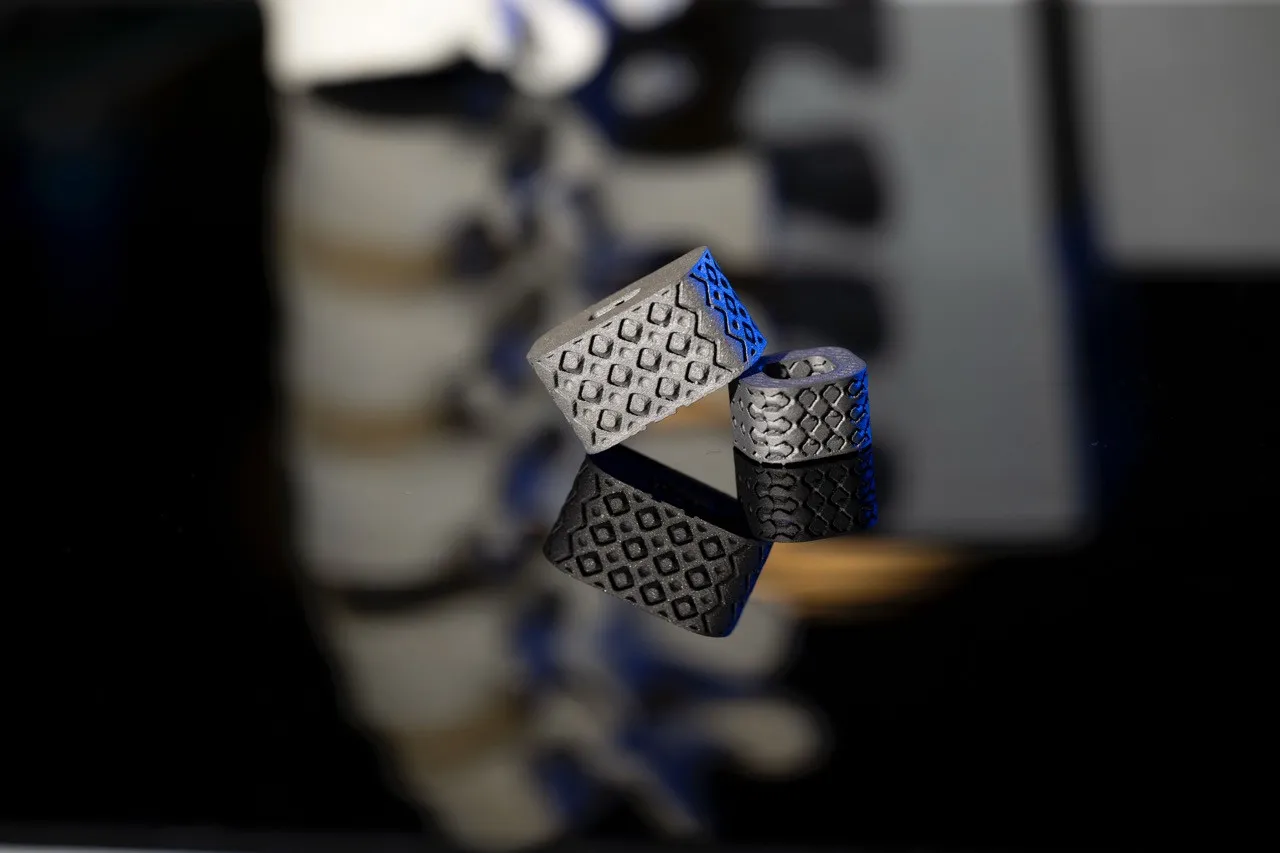
“The implant itself becomes the sensor, the energy source, and the communication platform.”
Funded to move from the bench toward the clinic.
A recently awarded NIH R21 grant supports the preclinical, in vivo studies behind wireless metamaterial interbody fusion cages that monitor spinal fusion in real time, backed by non-dilutive funding that validates both the science and the opportunity.
- Agency
- National Institutes of Health
- Mechanism
- R21 · Exploratory / Developmental Research Grant
- Focus
- Wireless and stimulation-capable metamaterial interbody fusion cages
- Objective
- Monitor spinal fusion healing and evaluate self-powered electrical stimulation for fusion support.
- Stage
- Preclinical mechanical, wireless, and osteogenic validation
Beyond the spine
The same combination of computational design, additive manufacturing, mechanical tunability, self-powered sensing, and stimulation can extend across orthopedics, wherever an implant could report on its own mechanical performance and support healing.
Understanding the biology
In parallel, we are studying how the implant’s self-generated electrical signals interact with surrounding tissues and could support future functions beyond fusion monitoring, including infection detection, nerve modulation, and other localized biological responses.
Surgeons and engineers, at the same table.




Start a conversation.
We welcome clinicians, researchers, strategic partners, and investors interested in objective, real-time implant intelligence.
Contact us at team@novuosis.com
Follow the work
Occasional updates on the research, the NIH program, and the company. No more than a few times a year.